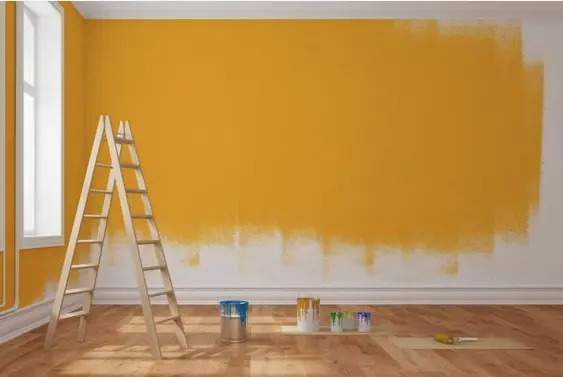
Most interior walls need two coats of paint for an even, consistent finish. However, the exact number depends on several factors, including the color of the existing wall, the new paint color, the condition of the surface, the type of paint, and the quality of the application.
A single coat may look acceptable in some situations, but it can leave uneven coverage, visible color underneath, or differences in sheen. Applying the right number of coats gives the wall a more uniform appearance and can help the new finish hold up better over time.
For homeowners planning an interior painting project, understanding when one coat is enough and when two or more coats are needed can help set realistic expectations for the project.
Is One Coat of Paint Ever Enough?
Yes, but it is not always the best choice.
One coat may be sufficient when the existing wall and new paint are very similar in color, the surface is already in good condition, and the paint provides strong coverage.
For example, repainting a light beige wall with a similar beige color may require less coverage than changing a dark blue wall to a very light color.
Even when one coat appears to cover the wall, it is important to check the surface under consistent lighting. Thin areas, roller marks, color variation, and missed spots may become more noticeable once the paint dries.
Why Do Most Interior Walls Need Two Coats?
Two coats are commonly used because the first coat establishes coverage while the second coat helps create a more uniform finish.
The first coat may leave:
- Slightly uneven color
- Visible areas of the previous color
- Roller or brush variations
- Minor differences in sheen
- Areas where the wall absorbs more paint
The second coat helps even out these differences and provides a consistent appearance across the wall.
Two coats are particularly useful when making a significant color change or when the wall surface has uneven absorption.
When Might You Need Three Coats?
Some walls may require three coats to achieve the desired result.
This can happen when:
You Are Covering a Very Dark Color
Dark blue, red, green, purple, or other strong colors can be difficult to cover with a much lighter paint color.
Even after two coats, traces of the previous color may remain visible depending on the paint and surface.
The New Color Has Low Coverage
Some paint colors naturally require more coats to achieve an even appearance. Certain bright or highly saturated colors can require additional coverage.
The Wall Has Uneven Absorption
Drywall repairs, patches, exposed areas, or improperly primed surfaces can absorb paint differently from the surrounding wall.
This can create areas that look lighter, darker, or different in sheen even after multiple coats.
The Surface Was Not Properly Prepared
Paint cannot compensate for every surface problem.
Peeling paint, stains, holes, cracks, dust, grease, and other contaminants should generally be addressed before the finish coats are applied.
Adding more paint over a poorly prepared surface does not necessarily solve the underlying problem.
Does the Existing Wall Color Matter?
Yes. Existing wall color is one of the biggest factors that determines how many coats may be necessary.
Light Over Light
Painting a light color over another similar light color may require only one or two coats, depending on the paint and surface.
Dark Over Light
A darker color usually covers a lighter wall relatively well, although two coats may still provide a more consistent finish.
Light Over Dark
Going from a dark wall to a light color generally requires more preparation and coverage.
A primer may be helpful before applying the new paint, particularly when the color difference is significant.
Similar Colors
If the new color is close to the existing color, fewer coats may be needed because the existing finish is less likely to show through.
Does Primer Count as a Coat of Paint?
Primer and paint serve different purposes.
Primer is designed to prepare the surface for the finish coat. It can help with adhesion, stain blocking, surface uniformity, and covering certain existing colors.
For example, primer can be particularly useful when:
- Changing from a very dark color to a light color
- Painting new drywall
- Covering stains
- Sealing porous surfaces
- Painting repaired areas
- Preparing certain difficult surfaces
A primer coat does not replace the need for the appropriate number of finish coats.
In some situations, one coat of primer followed by two finish coats may provide a better result than repeatedly applying finish paint to a surface that needed proper preparation first.
How Does Wall Condition Affect the Number of Coats?
The condition of the wall can have a major effect on the final result.
Before painting, inspect the wall for:
- Nail holes
- Cracks
- Dents
- Peeling paint
- Water stains
- Grease
- Dirt
- Dust
- Uneven patches
- Previous repair areas
These problems should be addressed before applying the final paint.
For example, a repaired section of drywall may absorb paint differently from the surrounding wall. Properly preparing and priming the repaired area can help prevent a noticeable patch after painting.
Does the Type of Paint Affect Coverage?
Yes.
Paint formulations differ in coverage, pigmentation, finish, and application characteristics. Higher-quality paints often provide better coverage, but the product still needs to be applied according to the manufacturer’s recommendations.
The paint finish also matters.
Flat and matte paints can hide some minor surface imperfections, while higher-sheen finishes can make surface irregularities more noticeable.
Always check the manufacturer’s coverage and application instructions rather than assuming that every paint will require exactly two coats.
Does Paint Color Affect Coverage?
Definitely.
Some colors generally provide better coverage than others.
Very bright, deep, or highly saturated colors can sometimes require additional coats. Certain whites and light colors may also require careful preparation to achieve a consistent appearance over darker surfaces.
If you are making a major color change, discuss the existing and new colors with your painting professional before the project begins.
Does Paint Quality Matter?
Yes.
Paint quality can affect coverage, consistency, durability, and the overall appearance of the finished wall.
A low-quality product may require additional coats to achieve the same visual coverage as a higher-quality product.
However, using more coats does not automatically make a poor paint product perform like a high-quality one. The product should be selected based on the surface, room conditions, desired finish, and project requirements.
How Long Should You Wait Between Coats?
Paint needs sufficient drying time before another coat is applied.
The correct waiting period depends on the specific product, temperature, humidity, ventilation, and surface conditions. Always follow the manufacturer’s recommended recoat time.
Applying another coat too soon can interfere with the finish and may cause problems such as:
- Uneven texture
- Pulling or lifting
- Visible roller marks
- Longer drying times
- Poor overall finish
Professional painters account for drying and recoat times when planning an interior painting project.
Does Applying More Coats Always Make the Paint Better?
No.
More paint is not automatically better.
If the wall is properly prepared and the paint provides good coverage, applying unnecessary additional coats can waste material, time, and labor without producing a meaningful improvement.
The goal is not to apply as many coats as possible. The goal is to apply the appropriate number of coats for the surface and paint being used.
For many interior walls, that means two finish coats.
What Happens If You Only Apply One Coat?
Applying only one coat can produce an acceptable result in certain situations, but there may be visible differences in coverage.
Potential problems include:
Uneven Color
The wall may look different depending on lighting and viewing angle.
Visible Previous Color
The old paint may show through, especially when there is a strong contrast between the old and new colors.
Uneven Sheen
Some sections may absorb paint differently, resulting in variations in the final appearance.
Visible Touch-Ups
Areas that were repaired or touched up before painting may remain noticeable.
If the goal is a consistent professional finish, the wall should be evaluated after the first coat before deciding whether additional coverage is needed.
How Should an Interior Wall Be Prepared Before Painting?
Good preparation can be just as important as the number of paint coats.
A typical preparation process may include:
- Removing or protecting furniture and fixtures.
- Cleaning the wall when necessary.
- Repairing holes, cracks, and damaged areas.
- Sanding rough repairs.
- Removing loose or peeling paint.
- Priming areas that require it.
- Protecting floors and nearby surfaces.
- Applying the appropriate finish coats.
Preparation creates a better surface for the paint and can reduce problems that might otherwise become visible after painting.
How Many Coats Should You Use on New Drywall?
New drywall generally needs proper preparation and primer before the finish paint is applied.
Drywall joint compound and paper surfaces can absorb paint differently. Without proper preparation, the finished wall may have noticeable variations in color or sheen.
A common approach is to prime the new drywall and then apply the appropriate number of finish coats based on the paint manufacturer’s recommendations and the desired result.
How Many Coats Are Needed When Repainting a Room?
For many repainting projects, two finish coats are a practical starting point.
However, the actual requirement depends on:
- Existing wall color
- New wall color
- Paint quality
- Wall condition
- Primer use
- Surface porosity
- Application method
- Desired appearance
A professional painter can evaluate these factors before determining the appropriate coating system.
Should You Use More Paint to Cover Stains?
Not necessarily.
If a wall has water stains, smoke stains, grease, or other discoloration, simply applying additional finish paint may not permanently hide the problem.
Certain stains may bleed through new paint. In those situations, the affected area may need cleaning, repair, and an appropriate stain-blocking primer before the finish coats are applied.
The source of a moisture stain should also be addressed before repainting. Painting over an active water problem can hide the symptom without fixing the cause.
Can Professional Painting Help Reduce the Number of Coats?
Professional painters cannot always reduce the number of coats required, but proper preparation and product selection can help avoid unnecessary applications.
A professional can evaluate:
- Existing paint
- Surface condition
- Color changes
- Primer requirements
- Paint type
- Application method
- Desired finish
This helps determine an appropriate approach before painting begins.
Frequently Asked Questions
Is two coats of paint always necessary?
No. Some surfaces can achieve adequate coverage with one coat, while others may require three or more. Two coats are common because they generally provide more consistent coverage and appearance.
Can I paint over a dark wall with one coat?
Usually, a major color change from dark to light is more likely to require primer and multiple finish coats. The exact requirement depends on the existing color, new color, paint, and surface.
Does primer replace a coat of paint?
No. Primer prepares the surface, while finish paint provides the final color and appearance. A primer coat and finish coats serve different purposes.
How many coats of paint should I use on new drywall?
New drywall typically needs proper preparation and primer before the finish paint. The number of finish coats depends on the paint and desired coverage.
Why can I still see the old color after two coats?
The old color may be showing through because of strong color contrast, insufficient coverage, an improperly prepared surface, or the characteristics of the paint being used.
Can too many coats of paint cause problems?
Yes. Excessive layers can add unnecessary material and may contribute to texture or adhesion problems if the underlying surface or previous paint layers are already failing.
Is professional interior painting worth it?
Professional painting can be useful when a project requires extensive preparation, significant color changes, drywall repairs, multiple rooms, or a consistent finish throughout the home.
Get a Consistent Interior Paint Finish With Ventura Painting
The right number of paint coats depends on the wall, existing color, new color, surface condition, primer requirements, and paint product.
For many interior walls, two finish coats provide a good balance of coverage and consistency. However, a professional evaluation is the best way to determine what your specific walls need.
Ventura Painting can help homeowners plan interior painting projects with proper surface preparation, paint selection, and application. Whether you are refreshing one room or repainting multiple areas of your home, the goal is to create an even finish that looks consistent from wall to wall.