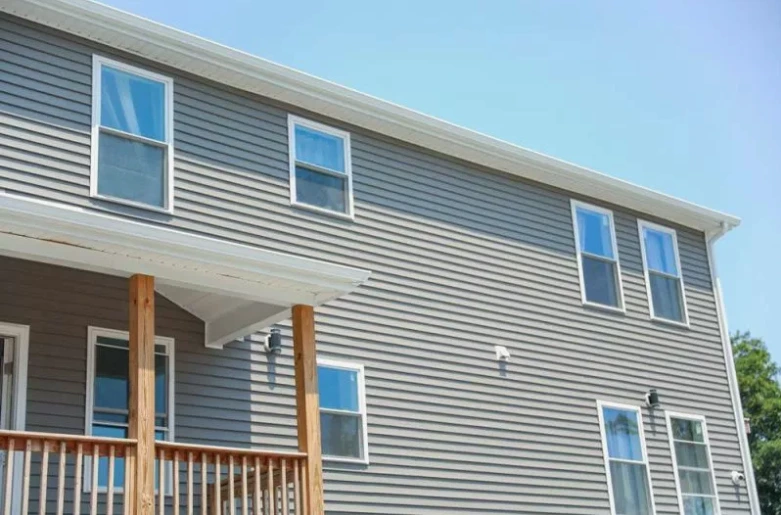
Your home’s siding does more than improve curb appeal it serves as a protective barrier against harsh weather, moisture, pests, and everyday wear. Over time, even the most durable siding begins to deteriorate, making it less effective at protecting your home. While minor damage can sometimes be repaired, there comes a point when replacing the siding is the smarter and more cost-effective solution.
Recognizing the warning signs early can help you avoid expensive structural repairs and keep your home looking its best. In this guide, we’ll explore the most common signs that indicate it may be time for a siding replacement and explain why investing in new siding can benefit your home for years to come.
Why Your Home’s Siding Is Essential
Siding is one of the most important parts of your home’s exterior. It shields your property from rain, wind, sunlight, and temperature changes while helping maintain energy efficiency. Quality siding also prevents moisture from reaching your home’s structure, reducing the risk of mold, rot, and costly repairs.
Beyond protection, siding plays a major role in your home’s appearance. Clean, well-maintained siding creates a positive first impression and can significantly increase your property’s value. When siding begins to fail, both your home’s beauty and its structural integrity can be affected.
Common Signs It’s Time to Replace Your Siding
Cracks, Holes, or Visible Damage
Small cracks or holes may not seem like a major concern, but they can quickly allow water, insects, and debris to enter behind the siding. Over time, this hidden moisture can damage the walls beneath the surface and lead to expensive repairs.
If you notice widespread cracking, broken sections, or multiple damaged panels, replacing the siding is often more practical than making repeated repairs.
Warped or Buckled Siding
Siding should lay flat against your home’s exterior. If you notice panels that are warped, buckling, or pulling away from the wall, moisture may already be trapped underneath. This is often a sign that the siding has reached the end of its lifespan or was affected by prolonged weather exposure.
Ignoring warped siding can allow additional water intrusion, increasing the risk of structural damage over time.
Rot, Moisture, or Water Damage
Wood siding is especially vulnerable to rot when exposed to excessive moisture. Even vinyl siding can allow water to seep behind damaged panels if it isn’t properly sealed.
Look for signs such as soft spots, peeling surfaces, swollen boards, or discoloration around your home’s exterior. These issues often indicate hidden moisture damage that should be addressed before it spreads.
Mold, Mildew, or Fungus Growth
Mold and mildew growing on the surface of your siding may simply require cleaning. However, persistent growth or dark stains that continue to return could indicate moisture trapped beneath the siding.
If fungus or mold is spreading near seams, joints, or lower sections of your home, it’s important to have the siding inspected. Replacing damaged siding can help eliminate the source of excess moisture and protect your home’s structure.
Fading or Peeling Paint
While paint naturally fades over time, excessive fading or peeling may signal that your siding is no longer providing reliable protection. Older siding often requires frequent repainting just to maintain its appearance.
Modern siding materials are designed to retain their color longer and require less maintenance, making replacement a worthwhile investment when constant repainting becomes necessary.
Rising Energy Bills
Have your heating and cooling costs increased without a clear reason? Damaged or aging siding may allow outside air to enter your home, making your HVAC system work harder to maintain a comfortable indoor temperature.
Replacing worn siding with newer, energy-efficient materials can improve insulation, reduce air leaks, and help lower monthly utility costs.
Loose or Missing Siding Panels
Strong winds, storms, and years of weather exposure can cause siding panels to loosen or detach from your home. Missing panels expose the underlying structure to moisture and pests, increasing the risk of additional damage.
If only one or two panels are affected, repairs may be enough. However, if loose panels are becoming a recurring problem, a complete siding replacement may provide a more reliable long-term solution.
Frequent Repairs
Occasional siding repairs are normal, especially after severe weather. However, if you find yourself fixing cracks, replacing panels, or repainting your home’s exterior every few years, the repair costs can quickly add up. Investing in new siding often provides better long-term value by reducing maintenance and improving your home’s overall protection.
Pest or Insect Damage
Damaged siding can create small openings where insects and pests can enter your home. Termites, carpenter ants, and other pests can cause significant damage once they reach the underlying structure. If you notice insect activity, holes, or unexplained damage around your siding, it’s important to have it inspected before the problem becomes more serious.
An Outdated Exterior Appearance
Even if your siding is still functional, an outdated appearance can affect your home’s curb appeal. Faded colors, worn finishes, and aging materials can make the entire property look neglected. Replacing old siding is one of the most effective ways to refresh your home’s exterior while increasing its value and creating a more modern appearance.
Should You Repair or Replace Your Siding?
Not every siding issue requires a full replacement. Small cracks, isolated damage, or a few loose panels can often be repaired if the rest of the siding is in good condition.
However, replacement is usually the better option when:
- Damage affects multiple areas of your home.
- Moisture or rot has spread beneath the siding.
- Repairs have become frequent and costly.
- Your siding has reached the end of its expected lifespan.
- You want to improve energy efficiency and curb appeal.
A professional inspection can help determine which option offers the best long-term value for your home.
Choosing the Right Siding Material
Selecting the right material is just as important as deciding to replace your siding. Each option offers unique benefits depending on your budget, maintenance preferences, and style.
Vinyl Siding
Vinyl siding is one of the most popular choices because it is affordable, durable, and available in a wide range of colors and styles. It requires minimal maintenance and resists fading, making it an excellent option for many homeowners.
Fiber Cement Siding
Fiber cement siding is known for its exceptional durability and resistance to moisture, insects, and fire. It can mimic the appearance of natural wood while requiring less maintenance, making it a great choice for homeowners seeking long-lasting performance.
Engineered Wood Siding
Engineered wood siding offers the warmth and beauty of traditional wood with improved resistance to moisture and decay. It provides a natural look while requiring less upkeep than solid wood siding.
Benefits of Professional Siding Replacement
Replacing your home’s siding offers more than just a fresh appearance. It can improve your property’s overall performance and provide long-term value.
Some of the key benefits include:
- Improved protection against weather and moisture
- Enhanced curb appeal
- Better energy efficiency
- Reduced maintenance requirements
- Increased property value
- Greater durability and long-lasting performance
Working with experienced professionals ensures the siding is installed correctly, helping you get the most from your investment.
Final Thoughts
Your home’s siding plays a vital role in protecting your property while enhancing its appearance. By recognizing the warning signs early, you can prevent costly damage and make informed decisions about repairs or replacement. Whether you’re dealing with cracked panels, moisture issues, or an aging exterior, replacing worn siding can improve your home’s durability, efficiency, and curb appeal for years to come.
If you’ve noticed any of these signs around your home, don’t wait for the damage to get worse. Contact Ventura Painting today to schedule a professional siding inspection and receive a free estimate. Our experienced team is here to help you choose the right solution and keep your home looking its best.